
What Is a 3-Day Notice in Florida?
If you received a 3-day notice, pause before you move out, stop paying, or rely on what your landlord says by phone.
A 3-day notice to pay rent or quit is a written demand for unpaid rent. It is not a court order. It does not mean the sheriff is coming today. It is the first legal step a landlord usually must take before filing an eviction case for nonpayment of rent in Florida.
|
Quick answer for tenants A 3-day notice means your landlord is creating the legal path to file an eviction case if the rent issue is not resolved. You still have options. The safest next step is to check the deadline, the rent amount, how the notice was delivered, and whether anything other than rent was included. |
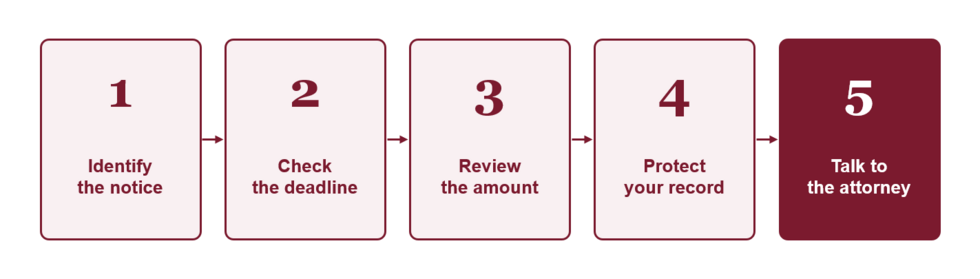
What a 3-Day Notice Actually Does
This notice tells the tenant three things:
• How much rent the landlord claims is owed.
• That payment is required within a specific legal timeframe.
• That failure to comply may lead to an eviction lawsuit.
That is the limit of the notice. It does not remove you from the home. It does not replace a court case. It does not give the landlord permission to change locks, shut off utilities, remove doors, or force you out.
Does a 3-Day Notice Mean I Have to Leave?
No. It means your landlord is preserving the right to file an eviction case if the rent issue is not handled in time.
At this stage, tenants may still have options. The right option depends on the amount listed, the deadline, the delivery method, the lease, payment records, and whether there are related repair or habitability issues.
How Are the Three Days Counted in Florida?
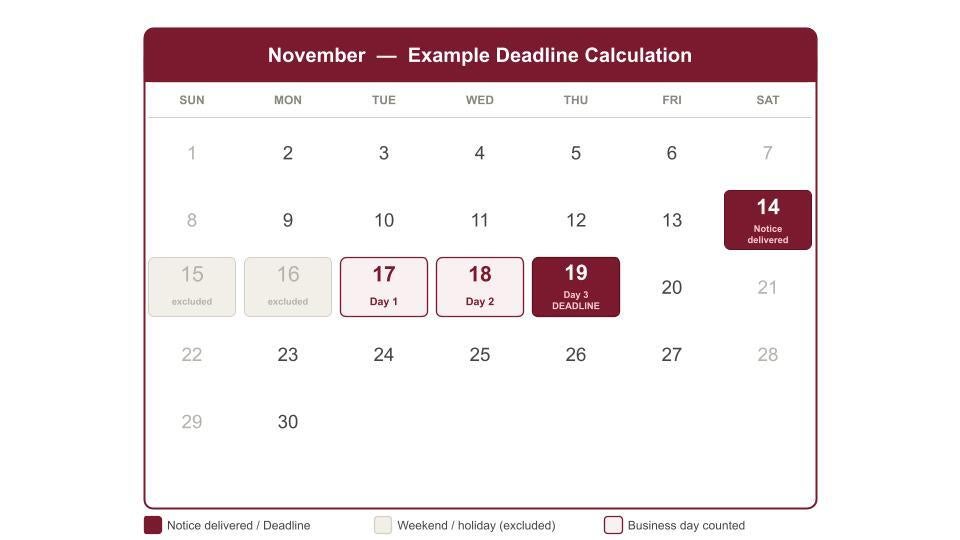
This is where many tenants get hurt. The three days are not counted the way people usually count regular calendar days.
In Florida, weekends and legal holidays are generally excluded. The day the notice is delivered usually does not count. The deadline depends on when and how the notice was served.
|
Tenant mistake to avoid Do not guess the deadline. A miscounted deadline can cause a tenant to miss the window to respond, pay, document the problem, or seek help before the landlord files in court. |
What a Valid 3-Day Notice Must Include
For a 3-day notice to be valid in Florida, it generally needs to be clear, limited to rent, and properly delivered.
Check these items first
• The exact amount of rent claimed.
• Rent only, not late fees, utilities, repair charges, penalties, or other non-rent charges.
• A clear demand to pay the rent or give possession of the unit.
• Proper delivery to the tenant.
If one of these pieces is wrong, the notice may be defective. A defective notice can affect whether an eviction case moves forward.

Common Errors That Can Invalidate a 3-Day Notice
Many tenants assume the notice is valid because it looks official. That is not always true.
Common defects include:
• Late fees included in the amount demanded.
• Utilities or other non-rent charges included in the amount demanded.
• Incorrect rent balance.
• Wrong or unclear deadline.
• Improper delivery method.
• Less than the required time to respond.
A flawed notice does not mean you should ignore it. It means the document should be reviewed before you make a decision.
What Tenants Should Avoid After Receiving a 3-Day Notice
Fear leads tenants to make fast decisions. Fast decisions can make the case harder.
Avoid these actions:
• Ignoring the notice.
• Moving out without understanding the lease and rent balance.
• Paying partial rent without a written agreement.
• Relying on verbal promises from the landlord.
• Throwing away receipts, screenshots, ledgers, money orders, or messages.
• Assuming the amount is correct because it appears in writing.
A 3-day notice is serious. It is also a document that can be checked.
What Happens If the Issue Is Not Resolved?
If the rent issue is not resolved within the legal timeframe, the landlord may file an eviction lawsuit in court. At that point, the matter becomes a court case with short deadlines and formal procedures.
The earlier you understand your notice, the more control you have over the next step.
Frequently Asked Questions About 3-Day Notices in Florida
These are the questions tenants usually search after receiving a 3-day notice. Read these first, then review your notice, your payment records, and your deadline before taking action.
Is a 3-day notice the same as an eviction in Florida?
No. A 3-day notice is the first step in the eviction process, not the eviction itself. The landlord must still file a lawsuit in court after the notice period, and you have the right to respond. Receiving a 3-day notice does not mean you have to leave immediately.
What is a 3-day notice in Florida?
A Florida 3-day notice, also called a notice to pay rent or quit, is a written demand from your landlord giving you 3 business days to either pay any overdue rent or vacate the unit. It is governed by Florida Statute §83.56. Weekends and legal holidays do not count toward the 3 days.
What happens after a 3-day notice in Florida?
If you pay the full rent owed within 3 business days, the landlord must accept it and the matter ends. If you do not pay or vacate, the landlord may file an eviction lawsuit. You will then receive a court summons and have 5 days to respond. Ignoring the summons can lead to a default judgment against you.
What are my rights when I receive a 3-day notice in Florida?
You have several rights. The notice must be in writing and state the exact amount owed. Vague or inflated amounts can make it legally defective. You have the right to pay and stay. You can dispute improper deductions or fees included in the notice. If your unit has habitability issues the landlord refused to fix, you may have a defense under Florida Statute §83.60.
Can a landlord evict me without a 3-day notice in Florida?
For nonpayment of rent, Florida law generally requires landlords to serve a proper written notice before filing for eviction. A 3-day notice applies to nonpayment of rent. A 7-day notice usually applies to lease violations. An eviction filed without proper notice may be challenged in court.
After a 3-day notice, what is the next step I should take?
Act immediately. Read the notice carefully and check the amount, your name, and the property address for errors. If you can pay, pay in full and keep proof of payment. If you cannot pay or the amount looks wrong, contact a Florida tenant rights attorney before the 3 days expire. Do not ignore it. Even if the notice has errors, you need legal guidance to use those errors correctly.
How 3-Day Notices Connect to Other Tenant Rights Issues
A 3-day notice is often connected to other problems. Do not review it in isolation if something else is happening in the home.
Related Tenant Guides
Use these links to move tenants to the next most relevant page based on what is happening around the 3-day notice.
If the tenant already has court papers
Read: Eviction Defense in Florida
Use this when the tenant received a summons, complaint, hearing notice, or other court document after the notice period.
If the rent amount looks wrong
Read: Rental Payment Disputes
Use this when the notice includes an incorrect balance, unexplained charges, partial payments, ledger issues, or disputed rent records.
If repairs or habitability problems are part of the story
Read: Repairs and Habitability Issues in Florida
Use this when the tenant has serious repair issues, written notices, unsafe conditions, mold, pests, plumbing issues, or other habitability concerns.
If the landlord is threatening lockout or pressure tactics
Read: Lockouts, Utility Shut Offs, and Prohibited Practices
Use this when the landlord changed locks, shut off utilities, removed doors, threatened removal, or tried to force the tenant out without court process.
If the tenant is thinking about leaving before court
Read: Lease Termination
Use this when the tenant wants to understand whether leaving, negotiating move-out terms, or ending the lease creates separate legal or financial risks.
If a deposit issue is connected to the move-out
Read: Security Deposit Disputes in Florida
Use this when the tenant is worried about losing the deposit, deductions, notice of claim, or what happens after move-out.
If the tenant wants to know what to expect before contacting the office
Read: What to Expect From a Tenant Attorney Consultation
Use this before the final form to reduce anxiety and prepare the tenant for next steps.
Talk to a Florida Tenant Attorney Before the Deadline Controls the Situation
The Law Offices of Debi V. Rumph works with Florida tenants who are trying to understand notices, deadlines, rent disputes, repair problems, and eviction risk. The goal is to help you understand what you received and what step makes sense based on your facts.
If you just received a 3-day notice, do not wait until court papers arrive to understand your position.
Contact Form
Place the conversion form immediately after this section, at the end of the page.


Comments
There are no comments for this post. Be the first and Add your Comment below.
Leave a Comment