
Rental Payment Disputes in Florida
If your rent balance looks wrong, do not panic and do not guess.
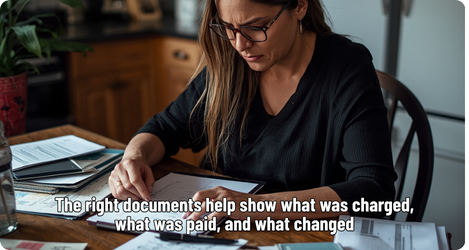
Start by gathering the records that show what was charged, what was paid, and what your landlord is claiming now.
Payment disputes can become stressful fast, especially when late fees, notices, lease terms, or eviction threats are involved. The sooner you organize the facts, the easier it is to understand what options may still be available.
|
Quick answer A rent dispute is usually not solved by arguing from memory. Save the ledger, receipts, bank records, lease, notices, emails, texts, and portal screenshots before responding. |

Start With What Happened
Choose the situation that feels closest to what you are dealing with. You do not need to know the legal category before asking for help.
|
My rent balance looks wrong Your landlord may be claiming a balance that does not match your records. Save the ledger, payment history, lease, and every notice before responding. |
My payment was not credited You paid rent, but the landlord or portal does not show it correctly. Keep receipts, confirmation emails, money order copies, bank records, and screenshots. |
|
I am being charged late fees or extra fees Late fees, admin charges, utilities, repairs, or other fees may depend on your lease and payment history. Do not rely only on a verbal explanation. |
My landlord sent a notice based on rent If the notice says you owe rent or must pay by a deadline, save it immediately. The date, amount, and wording matter. |
|
The landlord or property manager keeps changing the amount Changing balances can make it hard to know what is actually owed. Keep dated screenshots and ask for a written breakdown. |
I am worried this will lead to eviction Payment disputes can escalate. If you received a 3-day notice or court papers, focus on the deadline first and do not wait. |
What To Gather Before You Respond
Before you answer your landlord, gather the records you already have.
- Your lease and any renewal documents
- Rent ledger or payment history from the landlord or portal
- Receipts, bank records, money order copies, or online payment confirmations
- Screenshots from the payment portal
- Texts, emails, letters, or notices from your landlord
- Any 3-day notice, demand letter, or court papers
- A simple timeline showing when you paid and when the dispute started
If you do not have every document, start with what you do have. Do not delete messages or screenshots.

Be Careful Before You Stop Paying or Ignore a Notice
A disputed balance does not always stop a landlord from moving forward.
If your landlord claims you owe rent, the safest first step is to understand what the lease says, what the records show, and whether any deadline is already running.
|
Important If you received a 3-day notice or court papers, include the date you received them in the form. Payment disputes can become urgent once a formal notice or eviction filing is involved. |
How the Law Offices of Debi Rumph Can Help You Understand the Dispute
You do not need to sort this out alone or explain it perfectly before asking for help.
The Law Offices of Debi Rumph works with Florida tenants dealing with landlord disputes, confusing balances, payment records, notices, and housing related pressure.
An attorney led review can help organize the facts, identify what documents matter, and explain what options may be available based on your specific situation.
The goal is not to make you guess. The goal is to help you understand where you are in the process before the situation gets harder to fix.
Not Sure If the Balance Is Correct?
That is common. Rent ledgers can be confusing, especially when late fees, partial payments, utilities, portal errors, or old charges are included.
Use the form below to explain what happened. If there is a deadline on a notice, include the date.


