
Breaking a Lease in Florida: When You Can Leave Without Penalty
Need to leave your rental before the lease ends? Start with the reason, the proof, and the notice. Florida tenants may have legal options in specific situations, but moving out the wrong way can create rent, deposit, and eviction problems.
This page helps you understand when early lease termination may be protected, what to do before leaving, and when it makes sense to speak with a tenant rights attorney.
|
Not sure if your situation is serious enough? You don't need to know if your situation "counts" before you talk to someone. That's what the $100 session is for. In 15 minutes, a licensed Florida attorney listens to what's happening and tells you plainly where you stand — worth pursuing or not. You leave with written notes, not guesses. No pressure, no case promises. Just clarity on what your specific situation means, so your next step is based on facts, not fear. Click below and Talk to the Attorney — $100 Flat Fee This does not create an attorney-client relationship... |
|
QUICK ANSWER A Florida tenant usually cannot break a lease early simply because they want to move. Early termination may be legally justified when serious repair problems, unsafe conditions, landlord conduct, the lease, or a specific law supports it. The safest next step is to document the issue and give proper written notice before moving out. |
Start With Your Situation
Choose the situation closest to what is happening. This helps a tenant in crisis find the right next step without reading the full page first.
- My rental has serious repair or safety problems.
- My landlord will not fix pests, mold, leaks, plumbing, or AC.
- I received a 3-day notice or eviction warning.
- My landlord is charging fees or rent I do not understand.
- I need to move before the lease ends.
- I already moved out and now my deposit or rent balance is being disputed.
|
Not sure which situation fits? The Law Offices of Debi V. Rumph helps Florida tenants understand what their documents mean before they make a costly move. |
When Can a Tenant Legally Break a Lease in Florida?
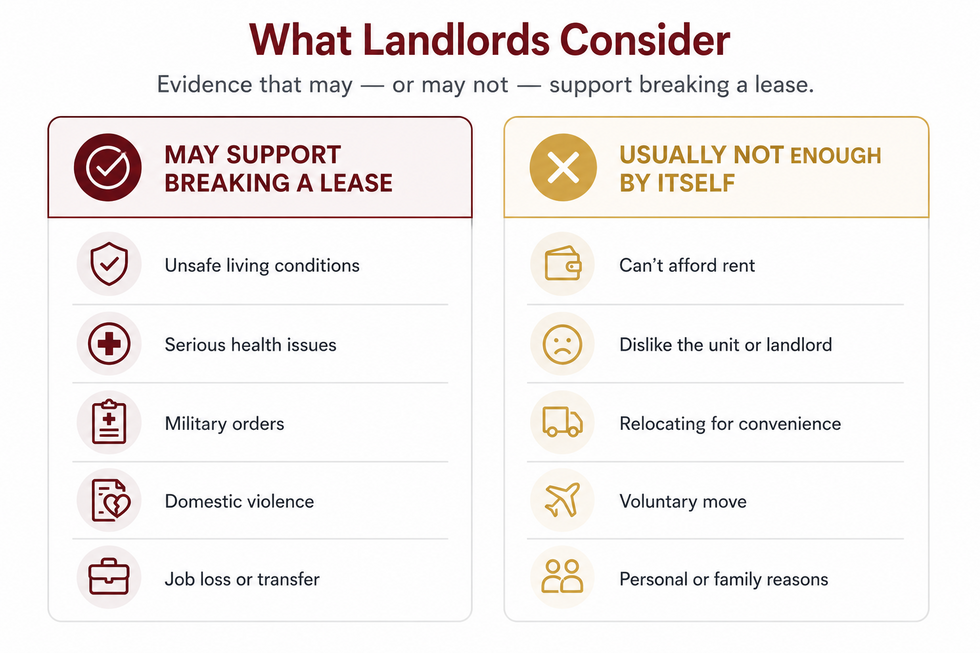
Florida law does not let tenants end a lease early for any reason. The reason matters. The timing matters. The written notice matters.
Early lease termination may be legally justified when the tenant has a serious legal reason and follows the proper steps before leaving.

Common situations that may support early termination
Serious habitability issues the landlord fails to fix.
Conditions that make the rental unsafe or unlivable.
Landlord actions that interfere with the tenant's rights.
A lease clause that allows early termination under specific conditions.
A situation protected by Florida law or federal law.
A tenant should not assume the lease is over because the situation feels unfair. The case usually depends on proof, written notice, and whether the landlord had a chance to respond.
Habitability Problems That May Justify Breaking a Lease
Habitability problems are one of the most common reasons tenants look for a way out of a lease. These are not small annoyances. They are conditions that affect health, safety, or the basic use of the home.
Examples of serious habitability issues
Severe pest infestations, including roaches or rodents.
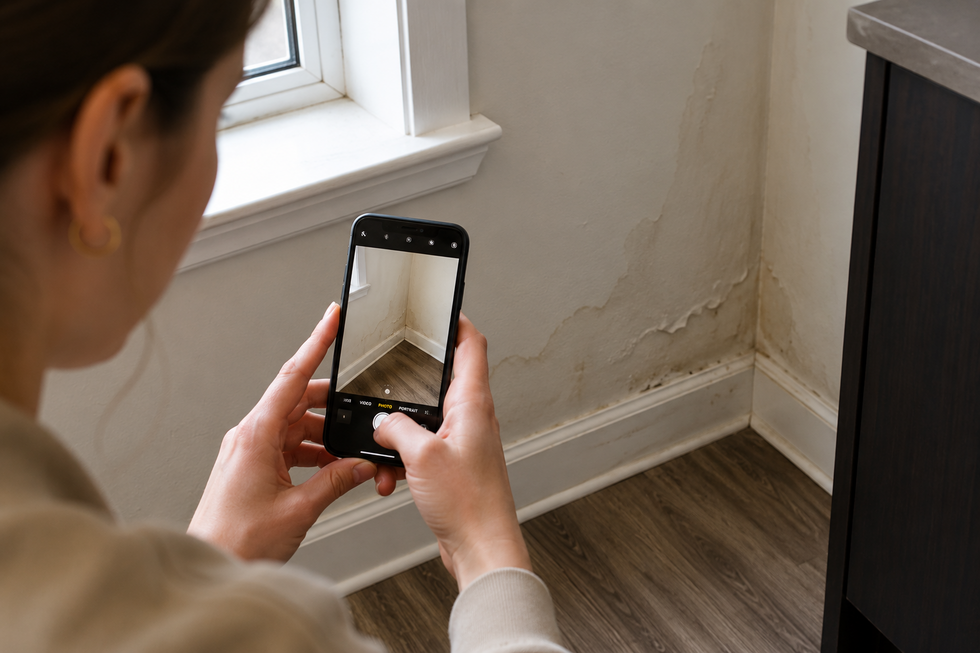
Ongoing mold, leaks, or water damage.
Lack of essential services, such as plumbing, safe electricity, or working air conditioning when required.
Conditions that affect health, safety, or basic livability.
The key question is usually not whether the problem exists. The key question is whether the landlord received proper written notice and had a reasonable opportunity to fix it.
|
If your home feels unsafe, do not rely on calls or verbal complaints alone. Save photos, videos, repair requests, text messages, emails, dates, and any response from the landlord. Written proof protects you better than memory. |
Can I Break a Lease Because of Roaches, Mold, or Pests?
A tenant may be able to break a lease because of roaches, mold, or other pests when the problem is serious, unresolved, and not caused by the tenant.
Occasional pests usually are not enough. A serious infestation that affects livability is different, especially when the tenant can show written complaints, photos, failed treatment, and landlord inaction.
These cases often connect to broader repair and habitability rights. A tenant should get clarity before moving out, especially if the landlord may later claim unpaid rent or lease-break fees.
Can I Break a Lease After Receiving a 3-Day Notice?
A 3-day notice for unpaid rent does not automatically allow a tenant to end the lease.
A rent notice may connect to a larger dispute. For example, the tenant may believe the rent amount is wrong, the landlord added improper charges, or serious repair issues affected the tenant's obligations.
This is a timing-sensitive situation. If court papers have already been filed, the tenant should not treat the lease issue and eviction issue as separate problems.
|
Do not wait until the deadline passes If you received a 3-day notice, do not wait until the deadline passes to understand your options. The Law Offices of Debi Rumph can review the facts, the notice, and the next step with you. |
What Steps Should a Tenant Take Before Moving Out?
Even when a tenant has a valid reason to break a lease, the process matters. Skipping steps can turn a strong tenant issue into a rent claim, deposit dispute, or eviction problem.
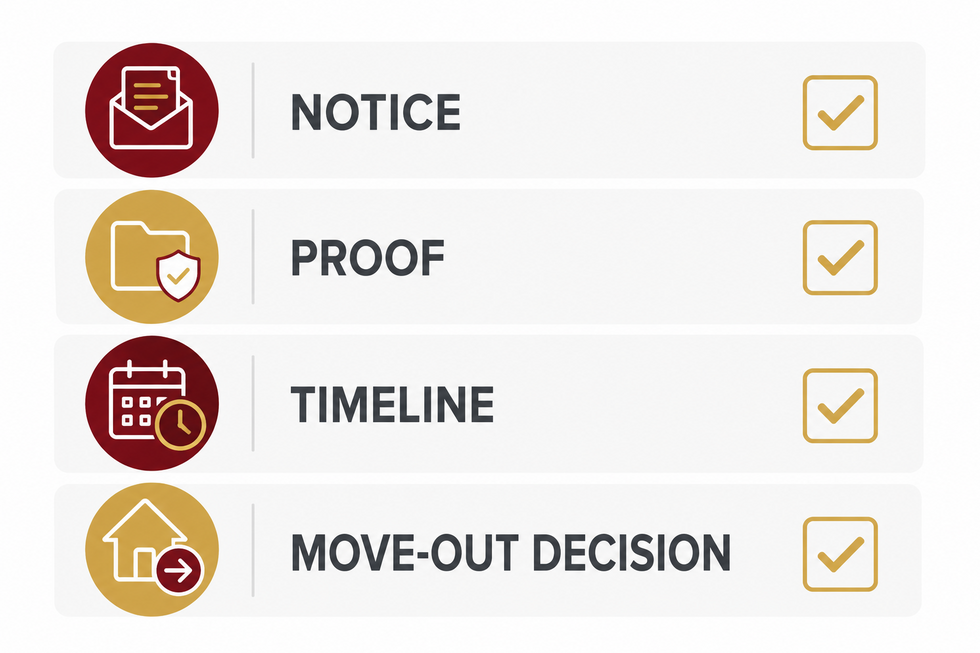
Before leaving, tenants should usually:
- Notify the landlord in writing.
- Clearly describe the problem or legal reason.
- Give the landlord the required time to respond or correct the issue.
- Document the condition of the rental.
- Save every message, notice, photo, video, receipt, and repair request.
- Avoid moving out before understanding the legal risk.
These steps are not cosmetic. They are often the difference between a protected move-out and a financial claim from the landlord.
What Happens to the Security Deposit After Breaking a Lease?
Breaking a lease does not automatically mean the tenant loses the security deposit. It also does not automatically mean the landlord must return the full amount.
Security deposit disputes after early lease termination usually depend on the lease, the reason for leaving, the move-out condition, unpaid balances, proper notices, and Florida deposit deadlines.
Deposit issues often involve:
Return timelines.
Notice of claim requirements.
Itemized deductions.
Damage versus normal wear and tear.
Rent or lease-break charges claimed by the landlord.
A tenant who leaves for a legally supported reason should still preserve proof of the rental condition and every communication about the deposit.
When Breaking a Lease Is Usually Not Allowed
Some reasons feel urgent, but do not automatically create a legal right to end the lease without penalty.
A tenant generally cannot break a lease early because of:
Wanting to move.
A job relocation, unless a specific legal protection applies.
Minor maintenance issues.
Personality conflicts with a landlord or neighbor.
Finding a cheaper or better rental.
Leaving for these reasons may create financial liability. Before moving, review the lease and get clear on whether any early termination clause applies.
Common Mistakes That Make Early Lease Termination Risky
Leaving without written notice.
Stopping rent without legal grounds.
Relying only on phone calls or verbal complaints.
Failing to document the condition of the unit.
Assuming a repair problem automatically ends the lease.
Ignoring a 3-day notice or court filing while focusing only on moving out.
Good intentions do not replace legal requirements. Tenants need a clear record, a clear timeline, and a clear next step.
How Breaking a Lease Connects to Other Tenant Rights Issues
Early lease termination often overlaps with other tenant problems. A repair issue can become a rent dispute. A rent dispute can become an eviction notice. A rushed move-out can become a security deposit claim.
Related tenant issues
Habitability and repair disputes.
Eviction notices.
Rental payment disputes.
Security deposit claims.
Lease enforcement problems.
Lockouts, threats, or utility shutoffs.
This is why tenants should not make the decision in isolation. The safest path is to understand how the lease, notice, rent, deposit, and repair history connect.
When to Contact the Law Offices of Debi V. Rumph
You do not need to know the legal category before asking for help. You need to know what you received, what happened, what proof you have, and what deadline is coming next.
The Law Offices of Debi Rumph works with Florida tenants who need clear, attorney-led guidance before making a decision that may affect their housing, money, or court risk.


Comments
There are no comments for this post. Be the first and Add your Comment below.
Leave a Comment